

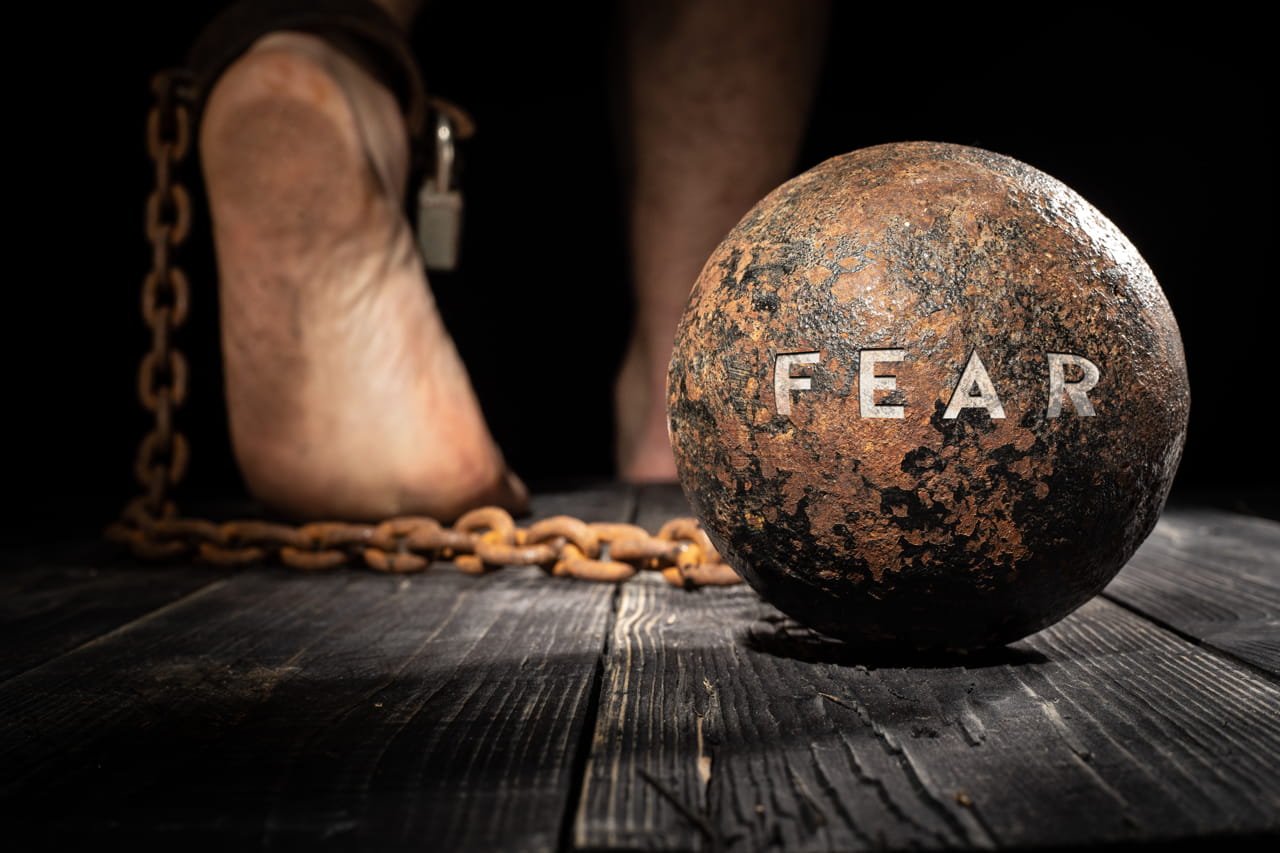

Fear is a visceral, ancient alarm system. It gets a response—usually a racing heart, a lump in the throat, or a sudden urge to run. If we let it, fear becomes the primary sculptor of our character, carving out a life defined by “what ifs” and self-preservation.
But there is a different way to live.
The 365-Day Mandate
It is often noted by scholars and readers alike that the Bible tells us “Fear not” (or some variation of “do not be afraid”) 365 times. Whether it is exactly 365 or slightly more depending on your preferred translation, the message is unmistakable: there is a daily dose of courage available for every single day of the year.
The reason we are told not to fear isn’t because the world isn’t scary; it’s because of who is standing next to us.
A Different Kind of Spirit
The Scripture takes it a step further than just a command; it offers a replacement. The Apostle Paul writes:
“For God has not given us a spirit of fear, but of power and of love and of a sound mind.” (2 Timothy 1:7)
Fear paralyzes, but the spirit we’ve been given moves. It replaces panic with power, selfishness with love, and chaos with a sound mind.
The Parenting Paradox: Compliance vs. Change
As a parent, I’ve seen firsthand how fear operates as a shortcut. Rules are great; they create necessary guidelines and boundaries for a growing life. I can impose those rules and clearly outline the consequences of disobedience.
But here is the catch: my children may comply out of fear of punishment, but compliance is not the same as transformation. If the only reason they aren’t crossing the line is because they are afraid of the “hammer” coming down, their hearts and minds remain unchanged. Their motivation is still self-preservation, not a love for what is right. Fear can modify behavior for a season, but it can never prune the soul.
The “Fear Factor” in Our Living Rooms
This cycle isn’t just happening in our homes; it’s being piped into them. Modern news broadcasts have curated a “fear factor” specifically designed to leverage continual addiction. By presenting the world as a sequence of existential threats, they keep us tethered to the screen.
When we are afraid, we are easier to control and more likely to tune back in for the next “update.” This curated anxiety keeps us in a state of hyper-vigilance, preventing us from accessing that “sound mind” we were promised.
The Transformative Power of Truth
To truly shape our character and behavior—and the character of our children—we need more than just a list of “don’ts” or a headline of “danger.” We need truth. While fear reacts to shadows, truth operates in the light.
Once embraced, truth can:
- Dismantle the Lies: Fear grows in the dark soil of “maybe” and “I’m not enough.” Truth shines a light on those lies, revealing them as the hollow shadows they actually are.
- Anchor the Soul: When the media storms or personal trials hit, truth acts as a stabilizer. It reminds us that our value and our future aren’t tied to a news cycle or our current circumstances.
- Empower Action: Truth provides a solid foundation. Once you know the truth of your identity and your purpose, you no longer need to wait for the “feeling” of bravery to act. You can move forward because you know where you stand.
Character isn’t built by avoiding the things that scare us or obeying because we’re terrified of the consequences; it’s built by leaning into the truth that we are equipped, loved, and held.