

Last week, I sat in a large meeting of clergy and stakeholders, watching a tragedy unfold in real-time. The chairman—a highly regarded religious leader—stood before us and blatantly lied about three distinct issues.
In my view, the motivation was clear: he was desperate to maintain control over a catastrophic voting error from the previous year. But what made the lie truly chilling wasn’t just the man at the podium; it was the formal governing body of 24 men and women sitting in the front. Through their collective silence, they validated the lie.
Many in that room knew the truth, but the executive leadership has fostered such a hostile environment that even honest people dare not challenge a religious authority for fear of retaliation. By perpetuating this falsehood, the leader isn’t just protecting his reputation; he is gaslighting the masses, forcing them to question their own understanding of reality.
The Stoic Warning and the Prudent Path
In the Stoic tradition, often attributed to Zeno of Citium, there is a timeless warning:
“Nothing is more hostile to a firm grasp on knowledge than self-deception.”
This highlights how ego acts as a barrier to wisdom. When we pretend to know something we don’t—or worse, when we believe our own illusions to protect our status—we stop growing. We become prisoners of our own making.
Scripture echoes this need for intellectual sobriety. Proverbs 14:15 reminds us: “The simple believe anything, but the prudent give thought to their steps.” It is a call to critical thinking and cautious discernment. Yet, in our current culture, discernment is being replaced by two equally dangerous extremes: institutional protectionism and radical, vacuum-filling distrust.
From Institutional Lies to Personal Paranoia
The “hostility to knowledge” I saw in that business meeting took a different, more surreal shape today at a family get-together.
The topic of the Andes hantavirus came up. I mentioned the current situation involving the Dutch vessel MV Hondius, which departed Argentina in early April. I noted that as of May 8, there have been eight confirmed or probable cases and three tragic deaths, and that the 147 people on board—mostly Americans—are being repatriated to the National Quarantine Unit in Nebraska.
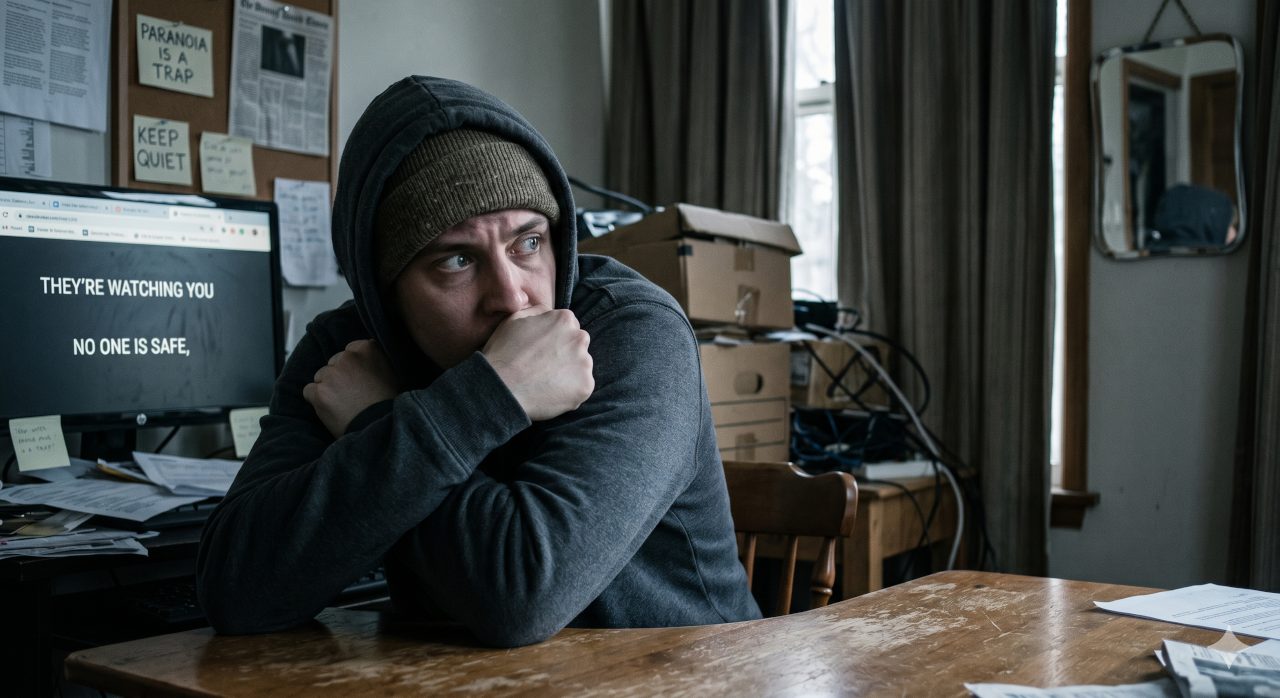
A family member immediately shut it down. She didn’t believe a word of it. To her, because “the government lies to us all the time,” this must be a precursor to something worse than COVID-19.
She then shared a conspiracy currently circulating in certain spaces: that President Trump recently met with Christian pastors to warn them about “Alien Files” he intends to release—files he allegedly believes will cause the total collapse of Christianity.
The Vacuum of Truth
It was surreal to listen to someone embrace almost any mistruth they heard, simply because it originated outside of “official” channels. Because her major premise is that no government or institution can ever be trusted, there is no longer a foundation for truth to stand on.
She is a case study in what health authorities, including the European CDC, have recently observed: disease outbreaks often trigger surges in misinformation. Our “algorithmic information environments” ensure that once we lose trust in a primary source, we are fed a steady diet of whatever fits our prior fears.
The irony is sharp:
- In the clergy meeting, truth was suppressed by power.
- In the family living room, truth was disqualified by paranoia.
In both cases, Zeno’s warning holds true. Whether we are lying to protect an institution or believing a conspiracy to justify our distrust, we are practicing self-deception. When we decide that the truth is whatever serves our narrative, we don’t just lose the facts—we lose the ability to learn.
Deception thrives wherever truth has no safe passage. If we want to be “prudent” as the Proverbs suggest, we must be brave enough to challenge the lies of the powerful, but disciplined enough to reject the delusions of the paranoid. Without that balance, we aren’t seeking knowledge; we’re just seeking comfort.