

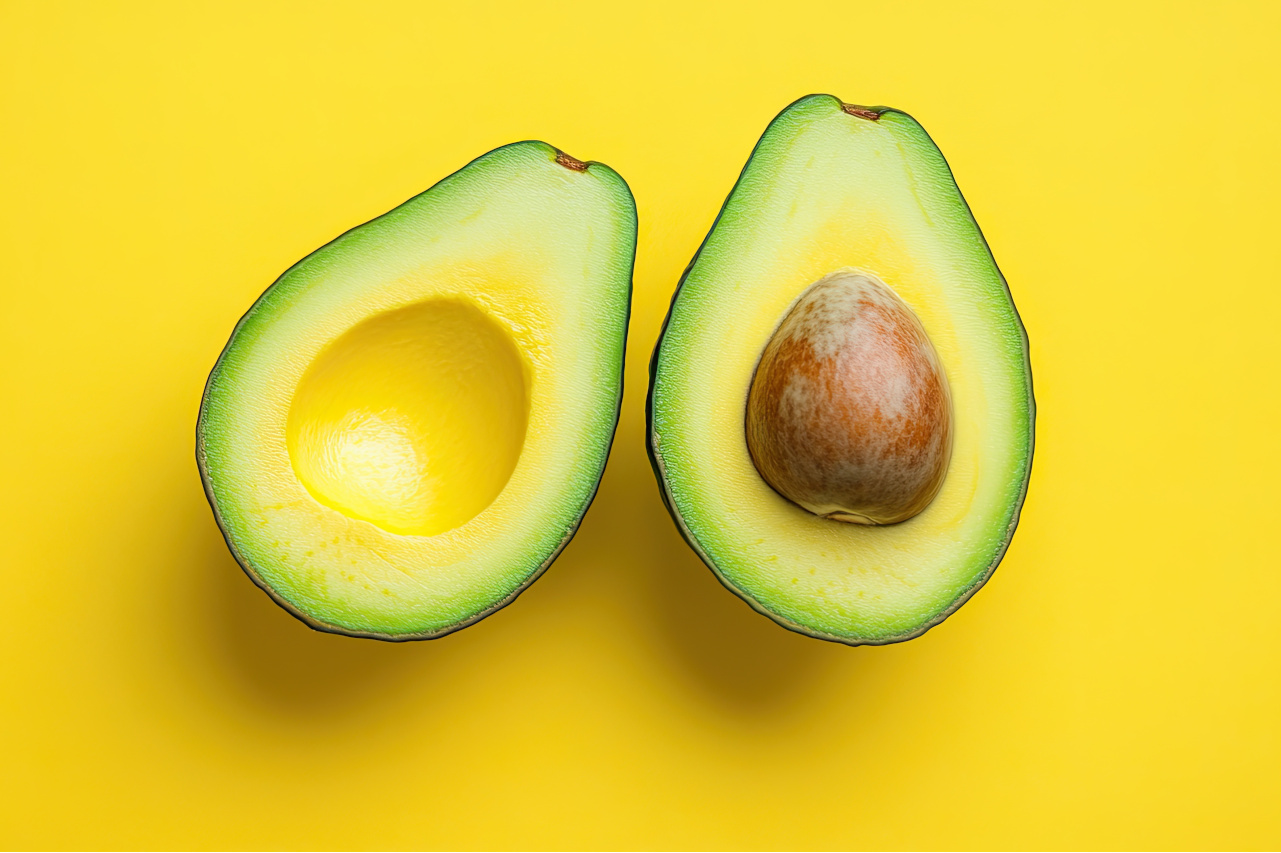

I recently took up farming. Well, not really farming, but I am trying my hand at growing some fruits and vegetables of my own. One project I have been working on for years now is avocado. I bought a dwarf variety years ago, and I have been faithfully caring for it: pruning, watering, and fertilizing. But now, into my fifth year, I have yet to see one single avocado.
Recently, I visited a Christian church. During the message, the minister said that if a Christian does not bear fruit, he is not a real Christian. Certainly, there is scriptural support for such a statement. Jesus Himself said in Matthew 7:16-20, “By their fruit you will recognize them… Every good tree bears good fruit, but a bad tree bears bad fruit.” He echoes this in John 15, warning that any branch that does not bear fruit is cut off, and James 2:17 reminds us that “faith by itself, if it is not accompanied by action, is dead.”
When Jesus spoke these words to first-century Jews, He wasn’t using abstract, disconnected metaphors. His audience lived in a deeply agrarian society. They intimately understood the context of sowing and reaping. They knew exactly how much sweat, time, and patience it took to cultivate grapes, figs, and olives. To this day, Israel remains an agricultural juggernaut, proving that the land—and the people who work it—know how to coax life out of the dirt. They understood that you do not plant a seed on Monday and harvest a fully mature crop on Tuesday.
Yet, in our modern culture, we often expect instant spiritual harvests.
During lunch with a friend later that week, a conversation started about famous people who recently came to faith. We’ve all seen the recent headlines: Russell Brand getting baptized, Jelly Roll speaking out about God, Perez Hilton, Joe Rogan—all of them having some sort of public spiritual experience that points to a Christian conversion.
But almost as quickly as the celebratory headlines hit, the messy realities of life start rolling in. Past accusations resurface, divorces happen, struggles with mental health or attempted suicides become public. Looking from the outside—especially from the safety of our church pews—it is incredibly easy to judge. We want our high-profile converts to be instantly sanitized. When they stumble, or when their lives still look bruised and chaotic, the Christian community is often quick to panic and question the authenticity of their faith.
My friend asked me if I thought any of these were authentic conversions. My response? “Is a raisin fruit?”
I think when we talk about “bearing fruit” in the church, we immediately picture things like watermelons, apples, or maybe bananas and tomatoes. Wouldn’t it be great if all fruit was so large, beautiful, and immediately satisfying? But not all fruit is so glorious.
A few years ago, I was walking the streets of Bethlehem. There were green olives on every tree, and they looked fantastic! I imagined what they might taste like right off the branch. My curiosity got the best of me. I snatched an olive from a tree as I passed and popped it in my mouth.
WOW. That first bite was horrid! It was such a sour and bitter taste, I immediately spit it out. I was shocked by how much a raw olive DID NOT taste like the final, cured product we buy from the grocer. Yet, this diminutive, bitter little fruit lays the foundation of economic success for several countries.
Is it possible that a new believer bears fruit, but it just does not appear as one of the more obvious, glorious types of fruit? Maybe their first offering is just a single, shriveled grape. Or maybe it is a raw olive—bitter at first, but full of massive potential if given the time to cure. And what is more, as I have discovered with my stubborn avocado tree, some fruit simply takes years to cultivate.
It would be great if someone walked out of a church service and just did everything right from day one. But the truth is, cultivating fruit is a messy, long-term task—a task that, quite frankly, most pastors and seasoned believers do not have the patience to practice.
If we want to see real fruit in others, we have to become better spiritual farmers. Here is how we can start cultivating fruit in the people around us:
- Celebrate the raisins. Don’t demand a watermelon on day one. If a new believer takes one small, shriveled step toward Jesus, celebrate it. Acknowledge the tiny victories instead of criticizing the lack of massive transformation.
- Offer a trellis, not just a textbook. Plants need support to grow in the right direction. Instead of just handing people rules or theological books, offer them proximity. Share meals, listen to their messy stories, and let them lean on you while their roots grow deep.
- Give grace for the bitter stages. Just like that Bethlehem olive, people in the process of sanctification can be tough to swallow. When the old habits flair up or the messy past bleeds into the present, don’t spit them out. Give God time to cure the fruit.
- Commit to the long haul. Remember my avocado tree? Five years of pruning, watering, and fertilizing without a single avocado. Discipleship requires the same stubborn patience. Keep watering. Keep pruning.
Let’s not be so quick to write off the raisins and the raw olives. True cultivation takes time, grace, and a whole lot of watering.